










MJF PA12 Nylon
The perfect material and machine for both batch runs and prototyping.

MJF PA12 Nylon 3D Material
MJF PA12 has been engineered especially for HP Multi Jet Fusion technology, designed for producing functional parts across various industries.
The material offers an excellent balance between performance and reusability, making it ideal for manufacturing final parts and functional prototypes with fine detail and dimensional accuracy. This high-performance material serves as an alternative to plastics like ABS or PA6, which are widely used in injection moulding. It is perfect for complex assemblies, housings, enclosures, and watertight applications.
MJF PA12 works well for both smaller and larger parts, excelling particularly with larger components due to its high speed and low density builds. This makes it cost-effective and efficient for these applications. 3DPRINTUK is the only company in the UK to run Advanced Mode printing, ensuring the strongest material properties for HP PA12.

Machine, Sizes, and Finishes
Machines We Use
We run MJF PA12 on our fleet of 8 HP 5210 Pro series MJF machines
Maximum Part Size
350mm x 350mm x 255mm
(Express, Economy & Trade service)
Finishes Available
Colours Available

Grey | Black
Appearance and Finish
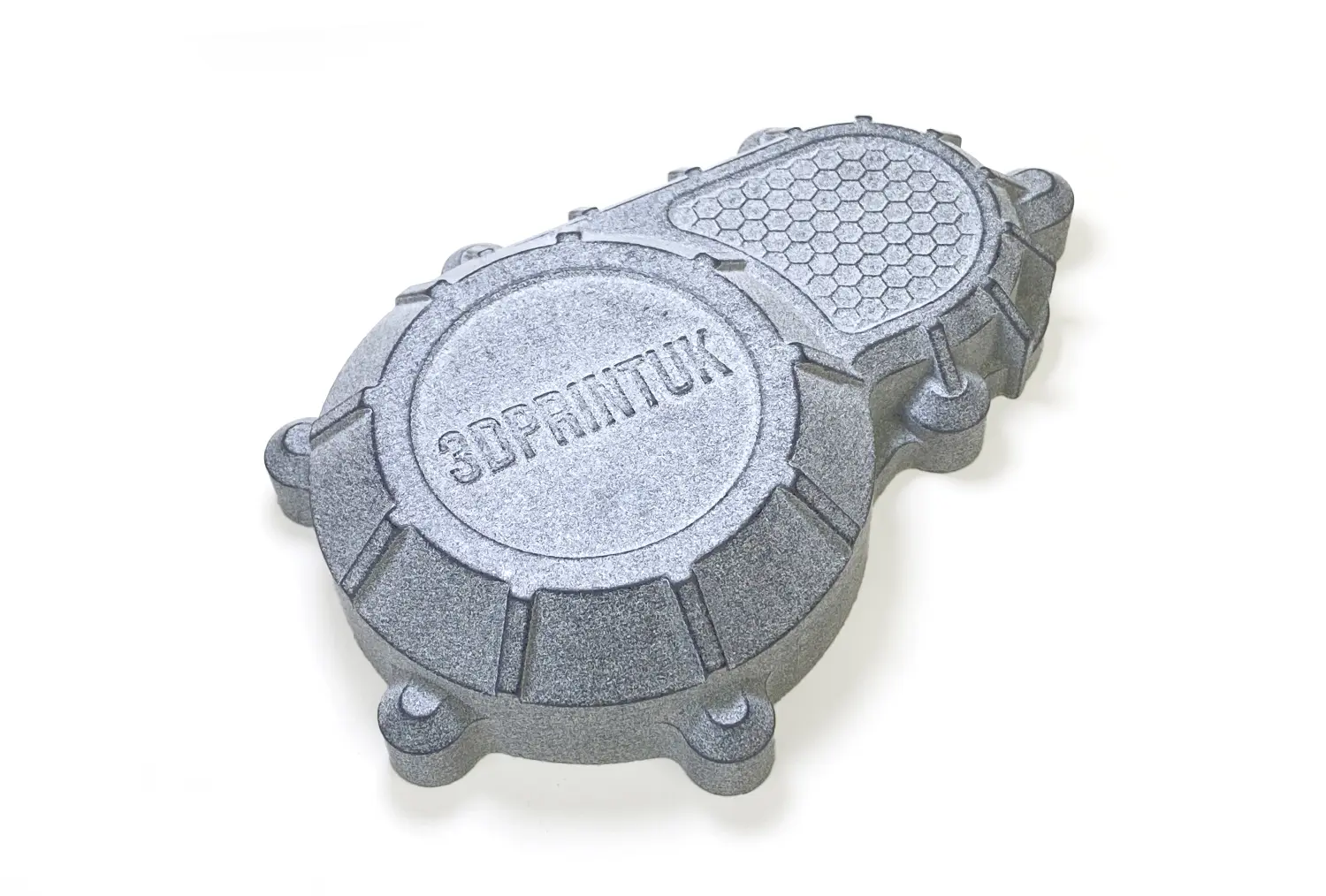
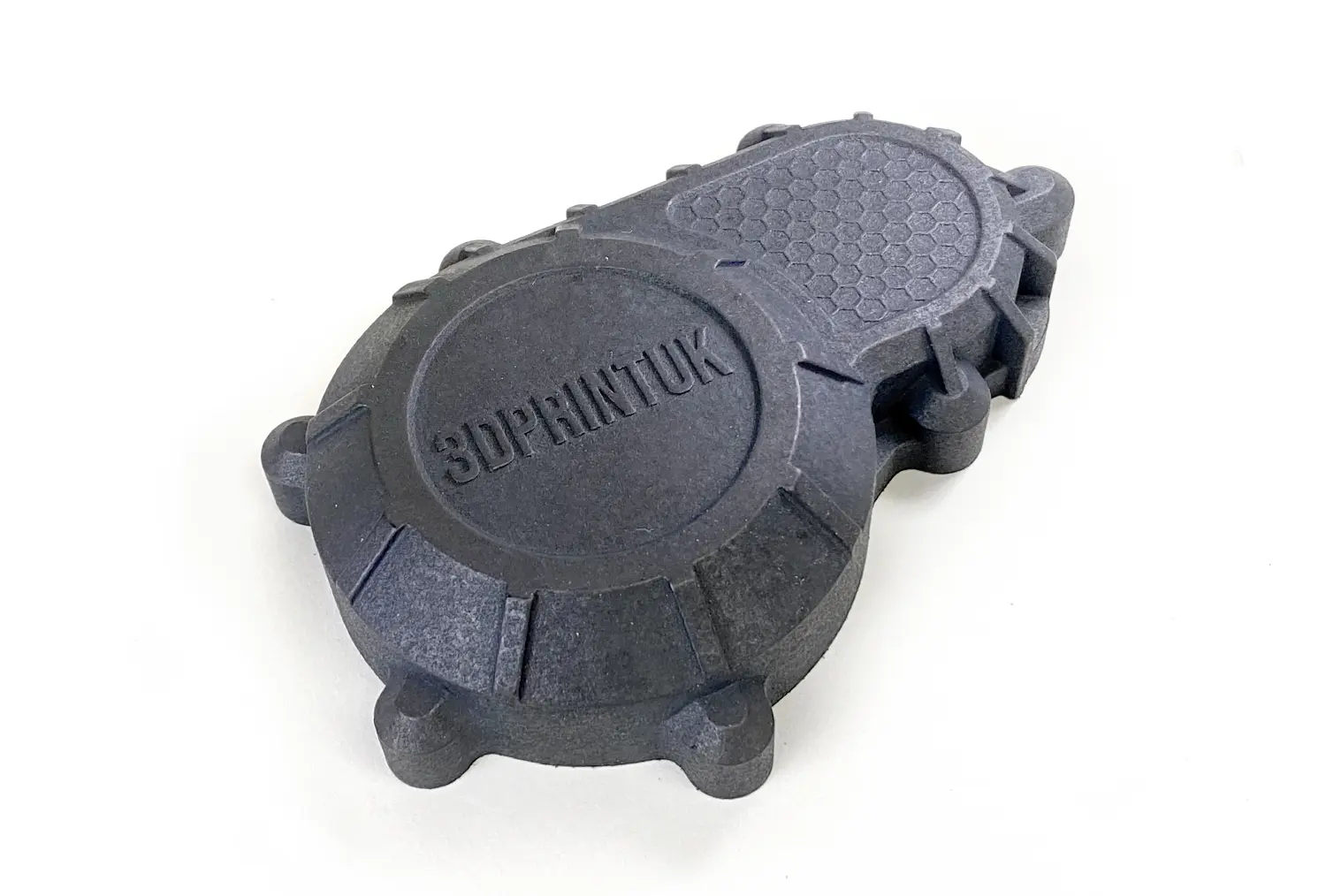
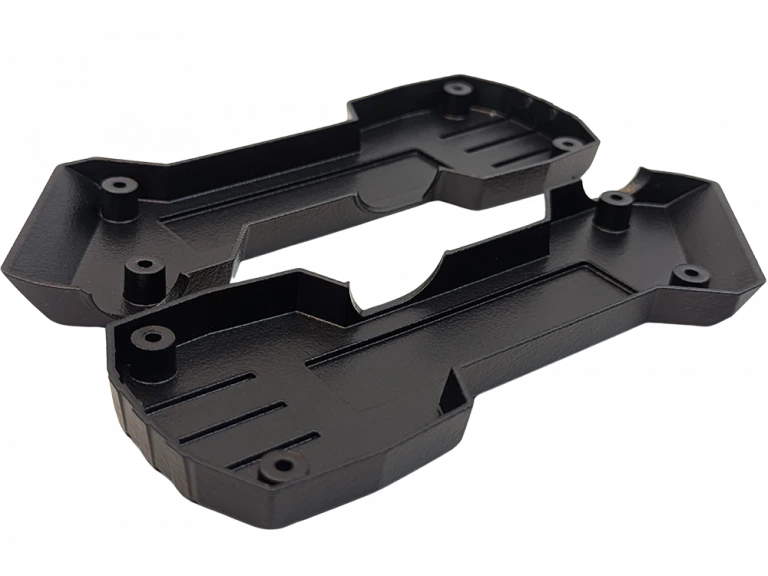
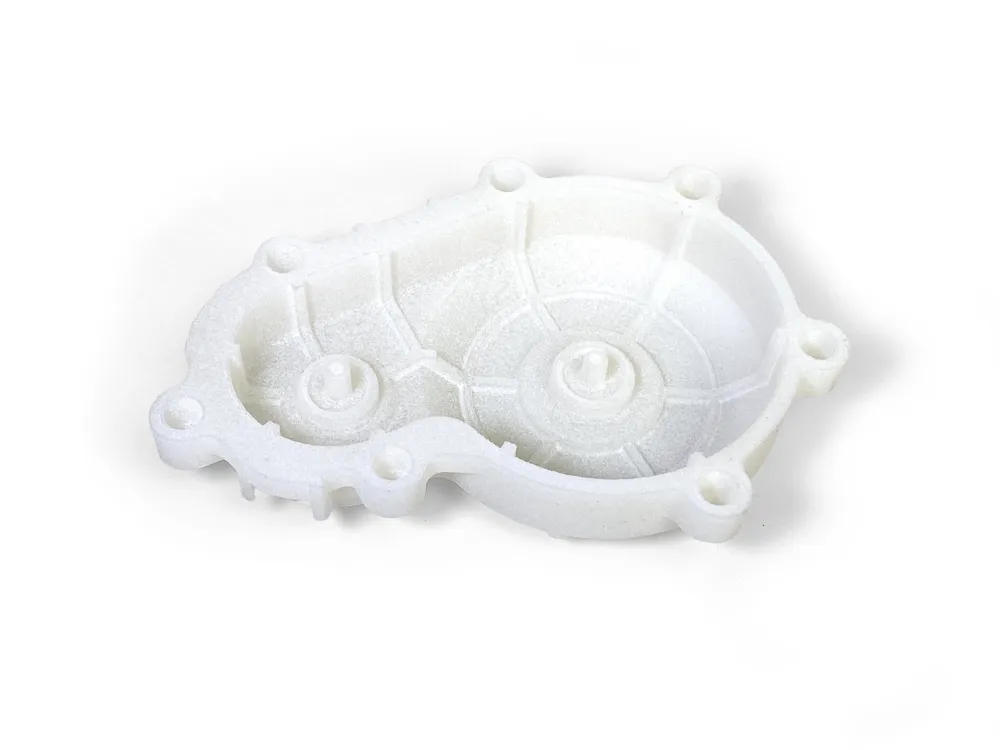
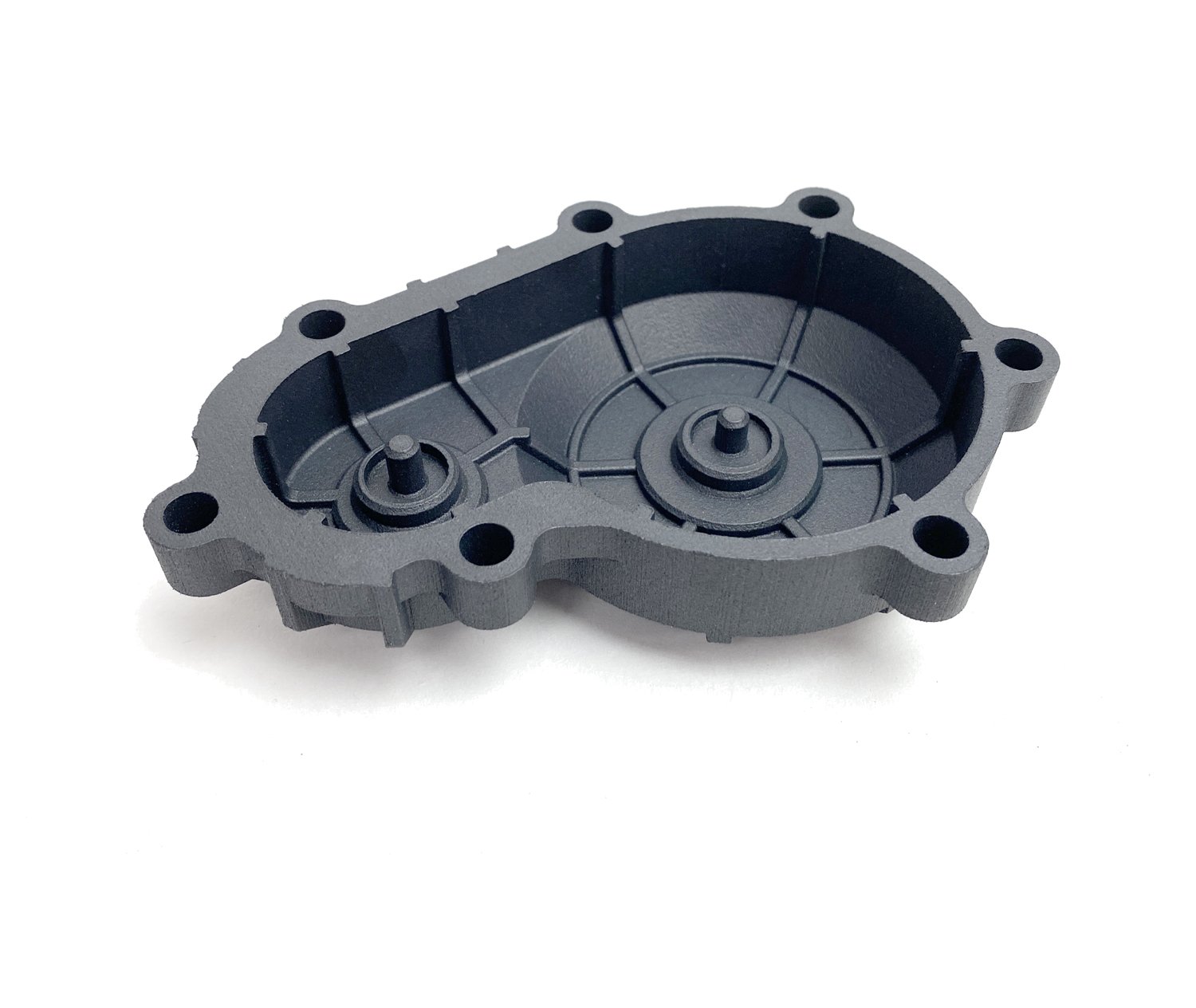
The MJF PA12 material can be delivered in many of the finishes we offer, which include Natural, Vibro Polished, Shot Peened and Vapour Smoothed. Our MJF PA12 material is available in natural grey or dyed black, but not in advanced colours. Below are examples of how the material looks after our post-processing finishes.


Which Material is right for you?
In the chart below you can compare the main mechanical properties of each materials. To make it easier to compare, we have given each value a rating out of 5 (0.5 increments). This can also be seen in the table below. You can toggle each material visibility on/off using the buttons on the right.
| Property | Mean | Unit | Test Standard |
|---|---|---|---|
| Tensile Strength | 48 (7397) | MPa (psi) | ASTM D638 |
| Elongation at Break | 20 | % | ASTM D638 |
| Flexural Modulus | 1730 | MPa/psi | ASTM D790 |
| Melting Point | 187 | °C | DIN EN ISO 306 |
Benefits of using MJF PA12 as a 3D Printed Material
Properties
Accuracy
★★★★☆
Expected: 0.1mm or 0.1%
Guaranteed: 0.3mm or 0.3%
Repeatability
★★★★☆
Great repeatability, though not quite as good as SLS PA12 or SAF PA11
Strength
★★★★☆
Great material in terms of tensile and impact resistance. [data below]
Flexibility
★★★★☆
Great flexibility, suitable for snap fits.
Melting Point
★★★★☆
Great thermal resistance with a melting point of 180 degrees °C
Resistance to Warping
★★★☆☆
MJF PA12 can warp more than SLS PA12 and is harder to correct afterward. If you have a warpable part, SLS PA12 is recommended.
Elemental and UV Degradation
★★★★☆
Great resistance to the elements can be used for outdoor products.
Chemical and Water Resistance
★★★★☆
Has great chemical and water resistance.
3DPRINTUK observations while working with MJF PA12
Warping
MJF PA12 is the most prone material we have to warping. Some parts can be rectified after, however, if you do have a warp able part, we recommend SLS PA12 over MJF PA12.
Colour
Like SAF PA11, the natural colour is grey, not white like SLS PA12. The parts are printed from a white powder with a black fusing agent, resulting in a black inside and a grey exterior. The black inside does help with dyed parts as it makes the part uniformly black as opposed to having a white core like SLS has.
Thick Parts
MJF PA12 can struggle with thick parts – these parts tend to have a very poor surface finish. To avoid this we have to hollow parts thicker than 10mm to a 4mm wall thickness. If you need parts printed solid, we recommend SAF PA11.

Certifications
Flame Retardancy
Yes, MJF PA12 has UL94 HB certification.
Food Grade
No, MJF PA12 does not currently have any food safety certifications.
Skin Safe
Yes, MJF PA12 is certified as non-irritant and shows no cytotoxic effect.
ESD
MJF PA12 is NOT classed as an ESD safe material.
Datasheets
For more information on MJF PA12 please download the datasheet you require from the list below. If you have any further questions please feel free to give us a call to discuss your project.
Last updated: February 2026
Design Guidelines, Maximums and Minimums
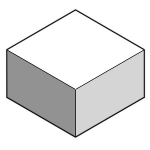
Max Print Size
This is the maximum size we can print a part in one piece
350mm x 350mm x 255mm
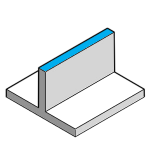
Min Wall Thickness
This is the minimum wall thickness we can guarantee to print. You are able to print under this guarantee at your own risk, however, prints under our guarantee are not covered for a free reprint if damaged.
Natural: 1mm
Shotpeen: 1.5mm
Polished: 2mm
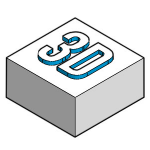
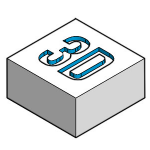
Min Embossed Thickness
This is the minimum thickness a surface detail can be – this includes text and small intricate details. Note the thickness stroke width, not the width of the entire letter if referring to text.
Width: 0.5mm
height: 0.3mm
Min Engraved Thickness
This is the minimum thickness a engraved surface detail can be – this includes text and small intricate details. Note the thickness stroke width, not the width of the entire letter if referring to text.
Width (except shotpeen): 0.5mm
Width (shotpeen): 0.7mm
Depth: 0.3mm
Min Hole Sizes
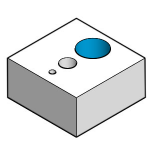
This is the minimum diameter of a hole. As a rule of thumb, the longer the hole, the larger the diameter is required to prevent them from blocking with powder. It is best to avoid long and twisting holes as these are near impossible to clear the powder from post-print.
<2mm depth: 1mm
2-5mm depth: 2mm
5-10mm depth: 3mm
10mm+: at least 4mm
*Powder may not be able to be cleared out of holes longer than 30mm
Clearance
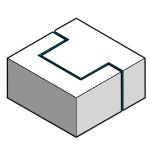
This is the minimum gap required between two separate parts that are designed to fit together, such as a case and a lid. This is the distance between surface faces – remember that this is each side meaning that you need to double this measurement if the whole part is interlocking. e.g. if a shaft is going into a hole, 0.15mm between surfaces means 0.3mm between diameters.
Tight fit: 0.15mm
Smooth fit: 0.25mm
Flat/Warpable Parts
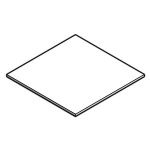
Flat parts are prone to warping. Warping is where the part cools at different rates causing geometrical changes in the object. It is best to try to avoid these shapes where possible, or contact us to ask for advice.
Limitation: part dependant – ask us if you are concerned.
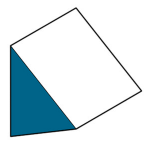
Min Sharp Angle
This is the minium angle recommended without a fillet or chamfer. Parts with sharp angles tend to get damaged in the print or post-processing stages. Anything sharper than the minimum angle is recommended to have a fillet.
Min Angle: 60°
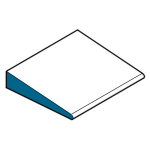
Sharp Angle Fillet
Anything sharper than our minimum guaranteed angle is recommended to have a filleted edge. Filleted edges are far stronger than sharp edges and are less prone to damage in either post-processing or print stages.
Min Fillet: 1mm

MJF PA12 – Get an Instant quote using our online system
Grab a quote for our most versatile and accurate material. Our Uploading System takes price breaks into consideration for higher quantities and is the fastest way to get a quote for your project.
Other Material Options

Finish Options
| Finish | Min Thickness | Cost | SLS PA12 | MJF PA12 | SAF PA11 | SLS TPU | Express | Economy | Trade | Scheduled |
|---|---|---|---|---|---|---|---|---|---|---|
| Natural | 1mm | Free | ✔ | ✔ | ✔ | ✔ | ✔ | ✔ | ✔ | ✔ |
| Vibro Polished | 2mm | +2% | ✔ | ✔ | ✔ | ✔ | ✔ | ✔ | ✔ | |
| Shot Peened | 1.5mm | +7% | ✔ | ✔ | ✔ | ✔ | ✔ | ✔ | ✔ | |
| Vapour Smoothed | 1.5mm | 30p +10% | ✔ | ✔ | ✔ | ✔ | ✔ |
Colour Options
| Colour | Min Thickness | Cost | SLS PA12 | MJF PA12 | SAF PA11 | SLS TPU | Express | Economy | Trade | Scheduled |
|---|---|---|---|---|---|---|---|---|---|---|
| Black | 1.5mm | +10% | ✔ | ✔ | ✔ | ✔ | ✔ | ✔ | ✔ | ✔ |
| Standard Colours | 1.5mm | £10 +10% | ✔ | ✔ | ✔ | ✔ | ||||
| Custom Colours | 1.5mm | £60 + 10% | ✔ | ✔ | ✔ |