







Check out the Aerobotix show reel, to see some of the incredible footage captured using state-of-the-art drone cameras and UAV systems that we’ve proudly helped manufacture.
Overview
Aerobotix specialise in aerial UAV (drone filming), professional drone manufacture, and advanced handheld camera stabilisation systems. Their products are trusted by filmmakers, content creators, and industry professionals worldwide. From cinematic shoots in the Arctic to exploration in the rainforests of Borneo. To meet the demands of these challenging conditions, Aerobotix needed lightweight, durable, and highly adaptable components for their drone systems.
Product Details
CAD Design: Aerobotix
Material: SLS Nylon PA2200
Polishing: No
Dyeing: No
Finishing: Plasti Dip
Project cost: N/A
Case Study Highlights


The Challenge
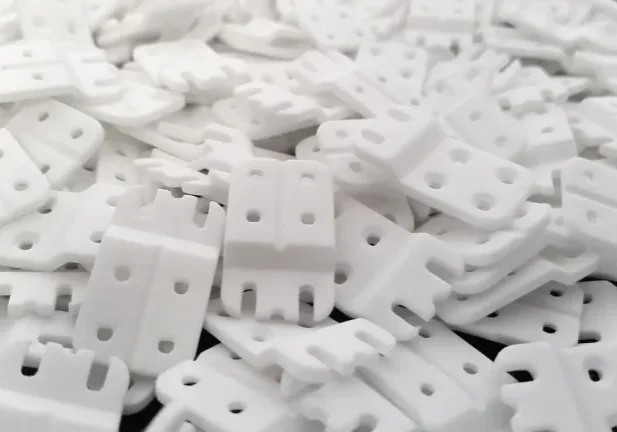
Designing enclosures for electronic motor controller boards and IMU (Inertial Measurement Unit) boxes presented Aerobotix with a unique set of challenges. In aerial systems, weight sensitivity meant every gram counted, while environmental exposure required the components to withstand moisture, dust, and extreme temperatures. Low-volume production added further complexity, as traditional manufacturing methods like injection moulding were prohibitively expensive for small batches. At the same time, rapid iteration and design flexibility were essential to keep pace with evolving drone configurations.
The Solution
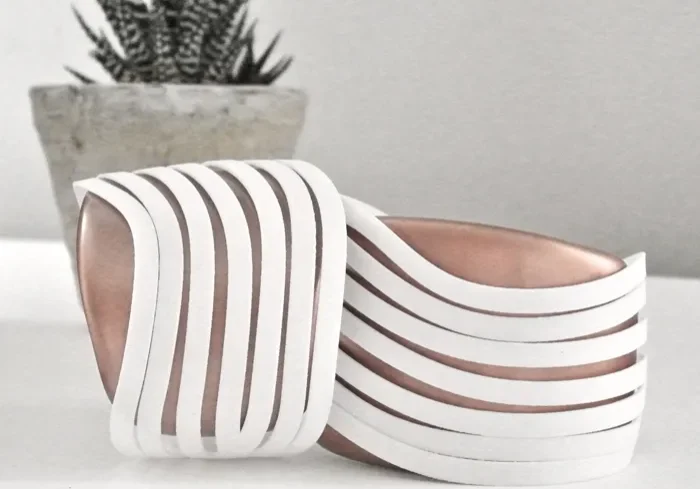
To address these issues, Aerobotix turned to 3DPRINTUK to produce the enclosures using Selective Laser Sintering (SLS) with Nylon PA220, a material renowned for its strength, flexibility, and resistance to environmental stress. Leveraging the design freedom of additive manufacturing, Aerobotix was able to nest smaller components inside larger shells to reduce build volume and cost, avoid post-processing such as dyeing or polishing thanks to the clean finish of raw SLS parts, and apply a Plasti Dip coating for improved grip, durability, and tactile quality.
Why Additive Manufacturing is Ideal for Drone Production
Additive manufacturing offers clear advantages for drone makers. SLS Nylon provides a high strength-to-weight ratio, vital for flight efficiency, while design freedom allows for complex geometries and integrated features without tooling limitations. Rapid prototyping accelerates development cycles, and with no need for expensive moulds, 3D printing is cost-effective for low-volume or bespoke builds. Additionally, SLS parts withstand moisture, UV, and temperature extremes, ensuring durability in rugged environments.
The Results
Aerobotix successfully deployed drones in some of the world’s harshest conditions, confident in the reliability of their 3D printed components. Working with 3DPRINTUK helped them cut production costs, speed up development, and maintain design flexibility.
Conclusion
This case study shows how additive manufacturing has evolved into a powerful production method. For Aerobotix, it has become a cornerstone of their innovation strategy, enabling performance, adaptability, and speed.

Gallery



Talk to Andrew, our Head of Technical Sales, and discover how our services can save you time and money while achieving the highest quality prints.
More Case Studies
Learn about other successful companies using our products and services