










SLS Flexible TPU
Superior temperature resistance and durability compared to resin make TPU ideal for end-use products.

SLS Flexible TPU 3D Material
Our SLS Flexible TPU material is the only elastomer in our portfolio. Its rubber-like properties make it the most flexible material we offer.
Parts made from this white material are extremely hydrolysis-resistant, with high resilience and excellent tribological properties. The degree of flexibility can be influenced by part design and can even be varied within the same part with lattice structures.
This industrial material was developed to address the growing demand for applications requiring elastomeric properties and easy processing, —such as those in the footwear and sports equipment industries. The versatile 3D printing material can also be adjusted in terms of its flexibility and damping levels by modifying the structural design of parts as well build process parameters.

Machine, Sizes, and Finishes
Machines We Use
We run SLS Flexible TPU on our dedicated EOS P110 machine.
Maximum Part Size
180mm x 120mm x 120mm
(Economy & Trade service)
Colours Available

Natural | Black Dyed
Appearance and Finish


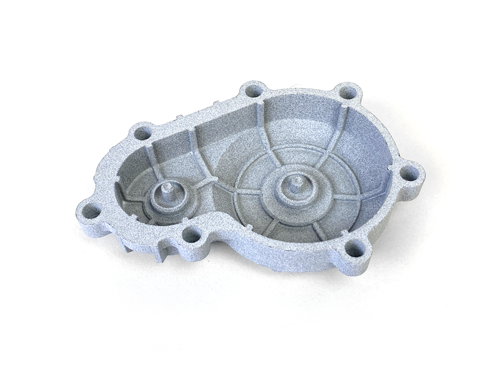
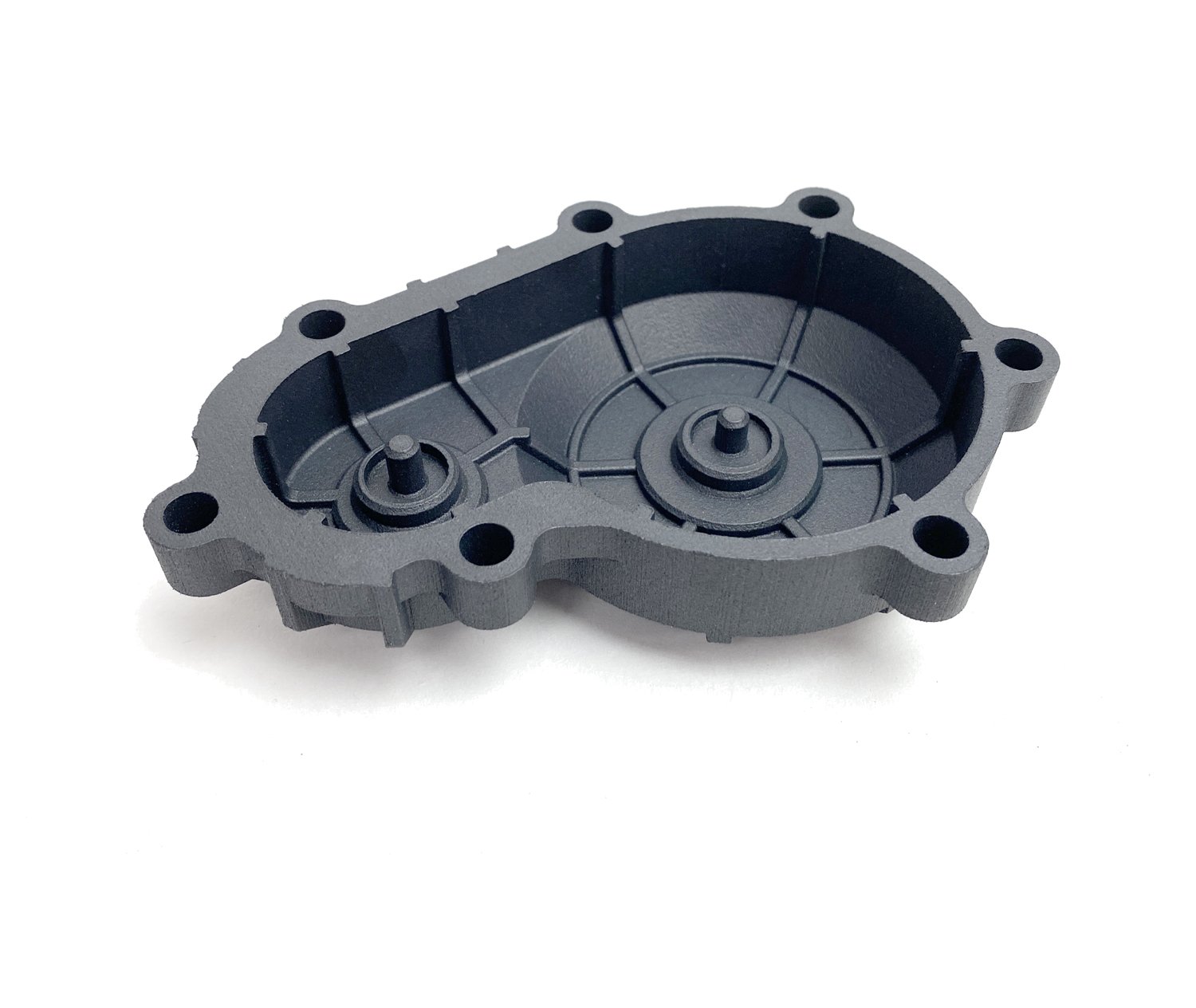
Our SLS TPU Flexible material is known for its flexibility and durability, making it ideal for end-use products. It offers superior temperature resistance compared to resin. This material is available in two finishes: Natural, Black Dyed Colour.
Natural - This is as it comes off the machine. Parts have a granular texture similar to an extra strong mint and is the roughest of all the finishes. Ideal for parts with thin walls, or finer details that may get damaged in the other processes.
Natural Dyed - This is using our DM60 deep dye machines – takes parts from their natural colour to black or other colours. Can be used in conjunction with all other finishing processes. Parts are coloured on the surface only and can be used for applications that involve skin contact.
Which Material is right for you?
In the chart below you can compare the main mechanical properties of each materials. To make it easier to compare, we have given each value a rating out of 5 (0.5 increments). This can also be seen in the table below. You can toggle each material visibility on/off using the buttons on the right.
| Property | Mean | Unit | Test Standard |
|---|---|---|---|
| Tensile Strength | 7 | MPa (psi) | DIN EN ISO 527 |
| Elongation at Break | 250/90 | %XY/%Z | DIN EN ISO 527 |
| Melting Point | 130 | °C | DIN EN ISO 306 |
Benefits of using SLS Flexible TPU as a 3D Printed Material
Properties
Accuracy
★★★★☆
Expected: 0.2mm or 0.2%
Guaranteed: 0.5mm or 0.5%
Repeatability
★★★★☆
Repeatability is good, but there can be minor variations in dimensional accuracy and shore hardness.
Strength
★★★☆☆
Thin parts may tear easily – we recommend printing above 2mm thick for best results.
Flexibility
★★★★★
Easily our most flexible material
Melting Point
★★★☆☆
Lower melting point than our other offerings, however, it has a much higher melting point than resin-based alternatives.
Resistance to Warping
★★★★★
Warping is almost non-existent with this material due to its flexibility, however, very rectangular geometries can shrink erratically.
Elemental and UV Degradation
★★★★☆
Great resistance to the elements can be used for outdoor products.
Chemical and Water Resistance
★★★★☆
Has great chemical and water resistance.
3DPRINTUK observations while working with SLS TPU Flexible
Powder Residue
SLS Flexible TPU is much harder to clean than PA12 or PA11 – the powder tends to stick to it more, especially in small holes, cavities or channels. More basic geometries work much better for cleaning than complex ones.
Square Parts
Very square/rectangular parts can shrink more unevenly in the cooling stage than round or organic shapes.
Stretching
The material can stretch, however, it is best to minimise this. The material does not act like elastic (think goggle straps) and may deform if stretched too much.

Certifications
Flame Retardancy
No, SLS Flexible TPU is not certified as flame retardant.
Food Grade
No, SLS Flexible TPU does not have any food safety documentation.
Skin Safe
Yes, SLS Flexible TPU has biocompatibility certification.
ESD
No, SLS Flexible TPU does not have any ESD safety certification.
Datasheets
For more information on SLS Flexible TPU please download the datasheet you require from the list below. If you have any further questions please feel free to give us a call to discuss your project.

Design Guidelines, Maximums and Minimums
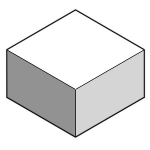
Max Print Size
This is the maximum size we can print a part in one piece
Economy and Trade: 180mm x 120mm x 120mm
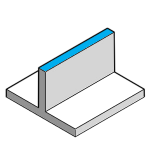
Min Wall Thickness
This is the minimum wall thickness we can guarantee to print. You are able to print under this guarantee at your own risk, however, prints under our guarantee are not covered for a free reprint if damaged.
Natural: 2mm

Min Embossed Thickness
This is the minimum thickness a surface detail can be – this includes text and small intricate details. Note the thickness stroke width, not the width of the entire letter if referring to text.
Width: 0.8mm
Height: 0.3mm
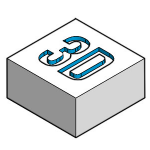
Min Engraved Thickness
This is the minimum thickness a engraved surface detail can be – this includes text and small intricate details. Note the thickness stroke width, not the width of the entire letter if referring to text.
Width: 0.8mm
Depth: 0.3mm
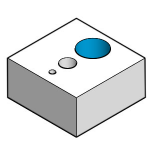
Min Hole Sizes
This is the minimum diameter of a hole. As a rule of thumb, the longer the hole, the larger the diameter is required to prevent them from blocking with powder. It is best to avoid long and twisting holes as these are near impossible to clear the powder from post-print.
<2mm depth: 1mm
2-5mm depth: 2mm
5-10mm depth: 3mm
10mm+: at least 4mm
*Powder may not be able to be cleared out of holes longer than 30mm
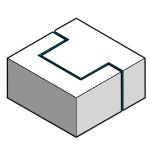
Clearance
This is the minimum gap required between two separate parts that are designed to fit together, such as a case and a lid. This is the distance between surface faces – remember that this is each side meaning that you need to double this measurement if the whole part is interlocking. e.g. if a shaft is going into a hole, 0.15mm between surfaces means 0.3mm between diameters.
Tight fit: 0.15mm
Smooth fit: 0.25mm
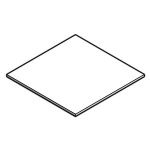
Flat/Warpable Parts
Flat parts are prone to warping. Warping is where the part cools at different rates causing geometrical changes in the object. It is best to try to avoid these shapes where possible, or contact us to ask for advice.
Limitation: minimal due to its flexibility
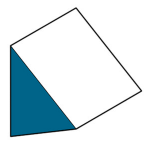
Min Sharp Angle
This is the minium angle recommended without a fillet or chamfer. Parts with sharp angles tend to get damaged in the print or post-processing stages. Anything sharper than the minimum angle is recommended to have a fillet.
Min Angle: 45°

Sharp Angle Fillet
Anything sharper than our minimum guaranteed angle is recommended to have a filleted edge. Filleted edges are far stronger than sharp edges and are less prone to damage in either post-processing or print stages.

SLS Flexible TPU – Get an Instant quote using our online system
Grab a quote for our most versatile and accurate material. Our Uploading System takes price breaks into consideration for higher quantities and is the fastest way to get a quote for your project.
Other Material Options

Finish Options
| Finish | Min Thickness | Cost | SLS PA12 | MJF PA12 | SAF PA11 | SLS TPU | Express | Economy | Trade | Scheduled |
|---|---|---|---|---|---|---|---|---|---|---|
| Natural | 1mm | Free | ✔ | ✔ | ✔ | ✔ | ✔ | ✔ | ✔ | ✔ |
| Vibro Polished | 2mm | +2% | ✔ | ✔ | ✔ | ✔ | ✔ | ✔ | ✔ | |
| Shot Peened | 1.5mm | +7% | ✔ | ✔ | ✔ | ✔ | ✔ | ✔ | ✔ | |
| Vapour Smoothed | 1.5mm | 30p +10% | ✔ | ✔ | ✔ | ✔ | ✔ |
Colour Options
| Colour | Min Thickness | Cost | SLS PA12 | MJF PA12 | SAF PA11 | SLS TPU | Express | Economy | Trade | Scheduled |
|---|---|---|---|---|---|---|---|---|---|---|
| Black | 1.5mm | +10% | ✔ | ✔ | ✔ | ✔ | ✔ | ✔ | ✔ | ✔ |
| Standard Colours | 1.5mm | £10 +10% | ✔ | ✔ | ✔ | ✔ | ||||
| Custom Colours | 1.5mm | £60 + 10% | ✔ | ✔ | ✔ |